Wednesday, May 26, 2010
RICE
Riso, Riz, Arroz
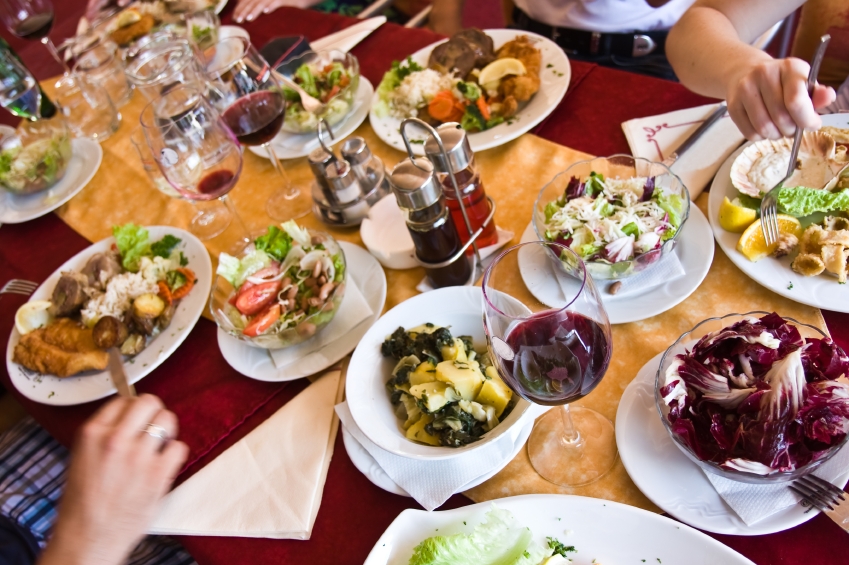
Rice is a part of so many cuisines…
Billions of people eat it daily, many of them relying on it as staple primary food. It is second only to corn in worldwide production. Rice is a part of so many cuisines all over the globe, with each culture defining it with their own customs and traditions. By legend, rice was introduced to Europe by Alexander the Great around 23 hundred years ago. Folk lore and. popular mythology is often hard to separate from fact and historical accuracy
I can’t say for sure if any poor soul was ever actually executed…
One of my personal favorite tales is the story relating the introduction of Italian Rice to America by our third President and first foodie, Thomas Jefferson. The list of now familiar foods that were introduced by Jefferson is both long and amazing. During Jefferson’s tenure as Ambassador to France, the Italians held a monopoly on the cultivation of rice. This monopoly was zealously guarded. In fact it was a capital crime to remove rice from Italy, although I can’t say for sure if any poor soul was ever actually executed for the offense. The story (which does seem to be accurate) is that Jefferson smuggled the precious grain out of Italy in his coat pockets.
Not surprising, China ranks number one globally…
What became known as Carolina Gold Rice had been introduced from Madagascar to South Carolina in 1685. By the time of Jefferson, this American rice was definitely considered inferior to the variety grown in the Piedmont. The future President went on to introduce the Italian rice to the planters in South Carolina where it became a vital element of the economy. Rice cultivation is still an important part of agriculture in America with the US ranking 11th overall in worldwide production. The state of Arkansas produces the largest harvests with California, Louisiana, Texas and Mississippi following in that order. Not surprisingly, China ranks number one globally, although Italy (having harvested rice since 1468) is still the major producer in Europe.
Rice is not a water plant per se…
Rice (Oyza sativa) is considered to be the edible fruit of a member of a wild grass family originally domesticated somewhere in Asia (or even possibly Africa). Rice is not a water plant per se, but rice is able to tolerate large amounts of water. Due to this characteristic, rice is often grown in flooded fields for weed control. All rice produced in the US is grown in flooded fields.
Italy alone produces approximately 50 different varieties…
From two main cultivated species (japonica and indica) come thousands of variations. These variations include colors, sizes and forms; although in this post we will be primarily looking at the varieties offered by Avanti Savoia and how to use them in the kitchen. Italy alone produces approximately 50 different varieties and rice remains especially important to the cuisine of Northern Italy. Different types of rice are often best prepared in different ways and used in specific dishes.
An accompaniment with just about any main dish…
Generally, rice is boiled or steamed and eaten sweetened or salted. It can be served as an accompaniment with just about any main dish. Rice flour is used as a substitute for white flour in some recipes by people wishing to avoid wheat in their diet. Sake is a well known Japanese alcoholic beverage brewed from rice.
Parboiling rice is a process that dates back to ancient India.
Any rice that has had only the outermost layer (husk) removed, but with the outer bran layer left intact can be termed brown rice. The rice, when the next layers (bran and germ) are removed is considered white rice. A balance is struck between the nutrition of brown rice and the cooking convenience of white rice with parboiled rice (also known as converted rice). Historically speaking, parboiling rice is a process that dates back to ancient India.
A relative of rice…
So called wild rice (Zizania aquatica), despite the name is not considered rice at all, but rather an aquatic plant that botanists consider a relative of rice. Northern wild rice (Zizania palustris) is one of the wild rice species native to the Great Lakes region of the United States. Wild rice is an important food for wildlife as well as being cherished by the Native American tribes of the area and appreciated by gourmets.
They demonstrate their stewardship of the land, animals and air and water quality…
Avanti Savoia’s supplier of fine rice and rice products is the very Italian firm of Cascina Belvedere. Owned by the Pico family for over 100 years, this is an award winning company dedicated to a tradition of passion and quality. Cascina Belvedere’s rice farming operations are located in Valle Padana Vercellese, an area blessed with an abundance of water. The Pico family continues to this day to improve their company by the quality of their rice and production methods. By employing organic production methods they demonstrate their stewardship of the land, animals and air and water quality. The Pico family has also made a deliberate decision to sell directly to suppliers (such as Avanti Savoia), instead of supplying huge rice corporations. Their products include not only a selection of exquisite Italian rices, but also easy to prepare Risotto mixes.
AVANTI SAVOIA’S RICE AND RISOTTO SELECTIONS
Carnaroli (Japonica cultivar) is known affectionately as “Northern Italy’s pasta.” Although Arborio rice is best known as risotto rice, many cooks prefer Carnaroli. Both rices contain high levels of starch (amylase), but Carnaroli retains more liquid and holds its shape better, resulting in a more textured dish. This authentic Italian favorite is grown around the towns of Novara and Verselli located between Milan and Turin. Carnaroli works perfectly in many recipes, but especially stands out in risottos. After cooking, the rice remains fluffy, but not sticky. It is idea in delicate and subtle dishes such as those with ingredients like white truffles and saffron, where it achieves the status of the “king of rice.”
Arborio (Japonica cultivar) is the longest grained of the Avanti Savoia’s Italian rice varieties. It is named for the town of Arborio in the Po Valley. Typically, Arborio undergoes less milling than other rices resulting in higher starch content. This gives the rice a classic creaminess that makes it a popular choice for risottos, risotto balls, rice puddings and paellas. Although the cooking ratio is approximately 1 cup of rice to 2 ½ cups of liquid for 15 to 17 minutes, carefully follow the recipe for the specific dish that you are preparing. Each recipe can have its own recommended proportions.
Essenza (Basmati cultivar) is actually Italian grown rice obtained from the combination of a Thai rice variety and Pakistani basmati. Essenza is a highly aromatic variety that has an aroma similar to that of freshly baked bread. When cooked the grains of this rice stay separate and fluffy. These characteristics are ideal for preparing boiled rice, various side dishes and rice salads. One cup of rice combined with 2 cups of liquid cooked for 15 minutes will produce a nice basic rice suitable for many dishes.
Venere/Nerone (Japonica variation) is naturally black colored rice which was developed by crossbreeding from an ancient Chinese strain sometimes called “Forbidden Rice.” This black rice was forbidden to the common people because for centuries it was cultivated for the exclusive use of the Chinese Emperor and nobility. It was highly prized for its nutritional value and allegedly aphrodisiac properties. Venere does mean the Goddess of Love, Venus. (We will be waiting to hear back from you on this claim)! Venere/Nerone rice is wonderfully fragrant, described as having an aroma “somewhere between sandalwood and freshly baked bread.” Now a Piedmont classic, this unique rice is grown in particular areas of the Po Valley. When cooked, it turns an amazing black/purple/burgundy color that offers endless presentation possibilities, hot or cold. Nutty and chewy, it does take a little longer to prepare- about 40 minutes.
Parboiled Rice (Basmati cultivar) is widely known as “the rice that doesn’t become overcooked.” The Parboiled process begins before the milling procedure that removes the husks. The raw rice is first washed with hot water, steam-cooked, dried with hot air and then subjected to the milling process. This ancient process improves the nutritional content of the rice by driving the nutrients from the bran into the grain. This leaves around 80% of the nutrients found in brown rice. It also makes the rice harder and more waxy and yellow or beige in appearance. Cook for 15 to 16 minutes – 1 part rice to 2 cups liquid.
Integrale (Brown Rice) has been a staple of natural food cuisine for years. It has a nutty and chewy texture that is highly nutritional, digestible and ideal for vegetarians. Integrale rice does require more cooking time, about 40 minutes. The ratio is 1 cup of rice to 2 1/2 cups of liquid (water or stock). Cooked Integrale rice makes a particularly wholesome and delicious grain “burger.”
Rosso Selvaggio (Wild Red Rice) resulted from crossbreeding of Venere rice. It is prized for its ruby red color and appetizing aroma. Prepared in a similar manner and cooking time to Integrale rice, this unique rice is both sweet and rich in fiber. Think healthful and great presentation.
Originario (Short Grain Rice) Beautiful, round, pearly grains characterize this fine rice. Its high absorption capacity makes it excellent for soups, risottos, casseroles and desserts. Originario is also rice that also delicious simply boiled for about 15 minutes.
Ribe (Cross between Italian Rb rice, Japanese and US rice varieties) is a style of rustic rice that is able to absorb large amounts of liquid. Its appearance is compact and crystalline. It is enjoyed in salads, pilafs and risottos and cooks in 15 to 16 minutes.
Risotto Mixes Risotto is a classic Italian rice dish made by blending hot liquid into a mixture of rice and seasonings that have first been sautéed in butter or olive oil. The liquid is added a little at a time and stirred continuously as each addition is absorbed. The result is rice that is wonderfully creamy while the grains of rice remain separate and firm. There are scores of variations on this delectable but labor intensive dish. The preferred rice for Risotto is usually short grained rices high in starch. Avanti Savoia and Cascina Belvedere have teamed up to bring you four different flavors of Risotto Mixes.
Risotto with Tomato and Basil
Risotto with Porcini Mushrooms
Risotto with Asparagus
Risotto with Artichoke
These delectable time savers require only butter or olive oil, wine and water. All other ingredients and seasonings (including premium Carnaroli rice) are included in the convenient 250 gram package AND cooks in just about 15 minutes!
Recipe Link:
Chicken Curry Rice Salad
Golden Rice Pilaf
Healthy Cajun Beans and Turkey Sausage
Mexican Rice
Paella Valencia
Pecan Rice
Rice Pilaf
Shrimp Creole
Galletti Mushroom Risotto
Green Risotto with Galletti Mushrooms
Risotto with Porcini Mushrooms
Risotto with Wild Mushrooms
Turkey Fried Rice
Yellow Rice with Galletti Mushrooms
Chicken and Ham Jambalaya
Chicken and Sausage Creole
Mulligatawny Soup
Summer Salad with Rice, Avocado, Mozzarella Cheese and Porcini Mushrooms (Insalata estiva di riso, avocado, mozzarella e fungi)
Drunken Risotto (Risotto Ubriaco)
Individual Rice Cakes with Chocolate Sauce (Tortine di Riso)
Rice with Tomato and Eggplant (Riso con Pomodoro and Melanzana)
Risotto with Zucchini (Risotto con Zucchine)
Black Venere Rice Salad (Insalata Venere)
Labels:
Italian Rice,
Rice,
Rice Recipes
Wednesday, April 28, 2010
MOM’S BIG DAY
Cook for her (for a change)
Celebrating a special day for Moms is so much a part of our national culture; it is a little surprising to remember that it has only been an official observation since 1914. Originally, the commemoration on the second Sunday in May had a particularly patriotic focus, “as a day for American citizens to show the flag in honor of those Mothers whose sons had died in war.”
The spirit of the occasion has mostly evolved into an occasion to simply celebrate motherhood and family. (Not that there is anything simple about motherhood and family). One of the unique customs that I can recall from my ever more distant childhood was that the guys of our family always wore carnation boutonnieres to church on Mother’s Day. Even though I was quite young, my dad carefully explained the tradition of the colors of the flowers; red if one’s mother is living, white if deceased.
The other “big deal’ was a wonderful meal prepared by my mom or grandmother. Although it was not noted at the time, the idea that Mom has to cook a labor intensive meal on her special day now seems a little incongruous. Hence the theme for this post, you do the cooking for her this time.
The menu that we have selected is creative and colorful, yet still easy enough for most dads to accomplish, maybe even with some help from younger family members. Recipes can be found on the Avanti Savoia website and many of the ingredients are available through Avanti Savoia, as well.
Bruschetta (pronounced brus’ketta) is a simple yet savory appetizer that has been enjoyed in Italy for centuries. The basic recipe calls for slices of good bread to be lightly grilled or toasted under the broiler, rubbed with garlic and then generously drizzled with extra virgin olive oil and seasoned with sea salt and freshly ground black pepper. Change this up a little bit by adding a dollop of Lowcountry Tomato Sauce, a few capers, a pinch of Don Vito’s Gold Italian Herb Blend and grated Parmesan cheese – really easy and delicious!
Cold, creamy, pink and sweet; this is the perfect springtime soup for Mom. Ripe strawberries team up with yogurt, blush wine and just a touch of orange, vanilla and sugar for a dreamy soup that could almost be a dessert. White grape and strawberry juice is a good substitution for the wine if you wish to exclude the alcohol.
Hmm…Grilled Lamb Chops in the merry month of May should appeal to any mom that appreciates the succulent flavor of lamb. Ask your butcher to “French” the chops for you if it sounds like too much trouble. It just means to scrape the meat and tissue away from the top of the bone. The process doesn’t alter the flavor; but the presentation just looks a little neater. The Bruschetta and the lamb can be cooked on the same standard grill outside or on a grill pan inside.
The lamb chops are seasoned with a traditional mix of olive oil, Balsamic vinegar, mustard and herbs before grilling. They are then served on a fragrant bed of vegetables, herbs and olives that can be made well ahead of the grilling. Offered on a plate highlighted by the beautiful Golden Rice Pilaf will have mom believing that you are a gourmet chef!
Just in case Mom is a vegetarian or does not particularly enjoy lamb, the menu can easily be altered to suit her taste, as well. Drop the lamb chops, substitute vegetable stock for the beef stock in the Aromatic Vegetables and just serve the Golden Rice Pilaf with the vegetables. Sprinkle it with some toasted almonds if you like and Mom the vegetarian should be perfectly happy.
Yes, of course you can easily buy a good commercial pound cake. However, our Lemon Lime Pound Cake is an heirloom recipe provided by our stellar cook of a grandmother, Clara Lowery. It seems absolutely perfect to share with other Mothers and Grandmothers on Mother’s Day. My brother, Catering Chef David Lowery of Austin, Texas swears by this recipe and has served it at many events. He reports that his clients especially enjoy the cake as the basis for petite fours and even as a wedding cake. Our idea is a little less ambitious, just an easy pound cake baked in a Bundt, tube or loaf pan. For chocolate lovers, it’s tasty to dress it up with a little splash of Leaning Oaks Chocolate Sauce.
Many restaurants offer nice Mother’s day events, but they will be crowded for sure. Instead, just imagine how touched your mom or wife would be by something really special. Don’t put it off, show her your love! We know that your cooking efforts will be sincerely appreciated by the mothers in your life and we hope that our menu suggestions and recipes will be a real help for you.
Celebrating a special day for Moms is so much a part of our national culture; it is a little surprising to remember that it has only been an official observation since 1914. Originally, the commemoration on the second Sunday in May had a particularly patriotic focus, “as a day for American citizens to show the flag in honor of those Mothers whose sons had died in war.”
The spirit of the occasion has mostly evolved into an occasion to simply celebrate motherhood and family. (Not that there is anything simple about motherhood and family). One of the unique customs that I can recall from my ever more distant childhood was that the guys of our family always wore carnation boutonnieres to church on Mother’s Day. Even though I was quite young, my dad carefully explained the tradition of the colors of the flowers; red if one’s mother is living, white if deceased.
The other “big deal’ was a wonderful meal prepared by my mom or grandmother. Although it was not noted at the time, the idea that Mom has to cook a labor intensive meal on her special day now seems a little incongruous. Hence the theme for this post, you do the cooking for her this time.
The menu that we have selected is creative and colorful, yet still easy enough for most dads to accomplish, maybe even with some help from younger family members. Recipes can be found on the Avanti Savoia website and many of the ingredients are available through Avanti Savoia, as well.
MOTHER’S DAY MENU
May 9th, 2010
Easy Bruschetta
Cold Strawberry Soup
Grilled Lamb Chops with Braised Aromatic Vegetables and Olives
Golden Rice Pilaf
Lemon Lime Pound Cake with Chocolate Cabernet Sauce
May 9th, 2010
Easy Bruschetta
Cold Strawberry Soup
Grilled Lamb Chops with Braised Aromatic Vegetables and Olives
Golden Rice Pilaf
Lemon Lime Pound Cake with Chocolate Cabernet Sauce
Bruschetta (pronounced brus’ketta) is a simple yet savory appetizer that has been enjoyed in Italy for centuries. The basic recipe calls for slices of good bread to be lightly grilled or toasted under the broiler, rubbed with garlic and then generously drizzled with extra virgin olive oil and seasoned with sea salt and freshly ground black pepper. Change this up a little bit by adding a dollop of Lowcountry Tomato Sauce, a few capers, a pinch of Don Vito’s Gold Italian Herb Blend and grated Parmesan cheese – really easy and delicious!
Cold, creamy, pink and sweet; this is the perfect springtime soup for Mom. Ripe strawberries team up with yogurt, blush wine and just a touch of orange, vanilla and sugar for a dreamy soup that could almost be a dessert. White grape and strawberry juice is a good substitution for the wine if you wish to exclude the alcohol.
Hmm…Grilled Lamb Chops in the merry month of May should appeal to any mom that appreciates the succulent flavor of lamb. Ask your butcher to “French” the chops for you if it sounds like too much trouble. It just means to scrape the meat and tissue away from the top of the bone. The process doesn’t alter the flavor; but the presentation just looks a little neater. The Bruschetta and the lamb can be cooked on the same standard grill outside or on a grill pan inside.
The lamb chops are seasoned with a traditional mix of olive oil, Balsamic vinegar, mustard and herbs before grilling. They are then served on a fragrant bed of vegetables, herbs and olives that can be made well ahead of the grilling. Offered on a plate highlighted by the beautiful Golden Rice Pilaf will have mom believing that you are a gourmet chef!
Just in case Mom is a vegetarian or does not particularly enjoy lamb, the menu can easily be altered to suit her taste, as well. Drop the lamb chops, substitute vegetable stock for the beef stock in the Aromatic Vegetables and just serve the Golden Rice Pilaf with the vegetables. Sprinkle it with some toasted almonds if you like and Mom the vegetarian should be perfectly happy.
Yes, of course you can easily buy a good commercial pound cake. However, our Lemon Lime Pound Cake is an heirloom recipe provided by our stellar cook of a grandmother, Clara Lowery. It seems absolutely perfect to share with other Mothers and Grandmothers on Mother’s Day. My brother, Catering Chef David Lowery of Austin, Texas swears by this recipe and has served it at many events. He reports that his clients especially enjoy the cake as the basis for petite fours and even as a wedding cake. Our idea is a little less ambitious, just an easy pound cake baked in a Bundt, tube or loaf pan. For chocolate lovers, it’s tasty to dress it up with a little splash of Leaning Oaks Chocolate Sauce.
Many restaurants offer nice Mother’s day events, but they will be crowded for sure. Instead, just imagine how touched your mom or wife would be by something really special. Don’t put it off, show her your love! We know that your cooking efforts will be sincerely appreciated by the mothers in your life and we hope that our menu suggestions and recipes will be a real help for you.
Labels:
Bruschetta,
lamb chops,
Lemon Pound Cake,
Mother's Day
Tuesday, April 6, 2010
HAM for EASTER: Postscript
A long history
…stormy and rainy
For scheduling reasons our Easter celebration had to happen the Sunday before Easter. Rather than bright springtime weather, the day was stormy and rainy. However, it did little to dampen the spirits of our guests, Gary Elgin, Scott and Janice Tocher and my wife’s youngest son, Rodney Rohrback. The basic menu was listed in the previous post, but at the last moment we decided to substitute the kind and preparation of the ham.
…plans do change
Although it was my intention at our Easter feast to serve a “city” ham that I smoked myself over wild cherry wood, plans do change. A gift of a beautiful, traditional Tennessee Country Ham from Avanti Savoia’s founder, Doug Slocum, changed all that. (Doug, by the way, has been experimenting himself with home cured pork tenderloins for his own use).
…the history and lore of hams
The change in menu also offered me the opportunity to perfect the preparation of the unique “country” ham and delve deeper into the history and lore of hams in general.
Pork has had a prominent place on American menus since the Seventeenth Century. It is the cured hind legs, single pieces of hind legs or shoulders that are used to make what we usually think of as ham. Hams from the front legs are called Picnic Hams.
Just for the sake of information, here are some brief definitions of various hams.
Old Fashioned Country Ham – Hams of this tradition are produced throughout the “ham belt” of the Southern states (particularly Virginia, North Carolina, Kentucky, Tennessee and Georgia). Methods and procedures vary from producer to producer and from region to region. Country Hams are prepared with a salt cure and usually nitrates, sugar and pepper. Typically, they are then smoked over hardwood and then aged from 2 to 3 years. They are commonly sold whole with bone-in, but also come in pre-sliced pieces that are vacuum packed.
Smithfield Hams – These are indeed old fashioned country hams as well, but by law a ham can only be sold as a Smithfield Ham if it processed in Smithfield, Virginia, utilizing the Smithfield method. This method entails a dry salt cure followed by a pepper coating, hickory smoking and a lengthy aging process. The hams are produced from a particular breed of hog and are fed a specific diet.
Smithfield “type” or old Virginia Hams – These are hams processed in much the same way as authentic Smithfield’s but are produced outside of Smithfield and cannot be labeled as such.
Tasso “Ham” – A spicy Cajun specialty that strictly speaking, is not even ham. Chunks of pork (or sometimes beef) are highly seasoned and hot smoked for 2 or more days. In cooking, Tasso is finely chopped and used to flavor many Louisiana dishes.
Commercial, mass marketed American Ham – Before any sort of processing occurs the meat may be referred to as fresh ham. Generally however, most of these hams are cured using a dry method, sweet-pickling method or even more commonly, injection cured. These methods are also sometimes combined. Commercial hams, after curing can also be smoked and aged. This manner of ham can be sold as fully cooked and also partially cooked. Labeling and package instructions should be carefully read and followed.
Canadian bacon - Although it is called “bacon” this product is more akin to ham. It is taken from the eye of the loin, pre cooked and smoked.
Italian Ham (Prosciutto) – Prosciutto is only one of many famous cured pork products from Italy. Versions of “Prosciutto” are now being produced in America, although Prosciutto from Italy is the true Prosciutto. Authentic Italian Prosciutto is salt cured and air dried, but not smoked and contains no nitrates or preservatives. Prosciutto Cruda di Parma is more salty and less fatty, while Prosciutto di San Daniele is less salty, fattier and contains less moisture. Quality Prosciutto can be purchased through many specialty markets. Cut and served in extremely thin slices, it is delicious with melon and figs and also lightly cooked as a component in a variety of Italian dishes.
Spanish Ham (Jamon Iberico) – This is the high quality traditional dry-cured Spanish ham that is produced from a black pig (Pata Negra) native to the Iberian region. There are several varieties distinguished by the diet of the pigs. Similar in flavor to Prosciutto, they each have their own unique subtleties. It is appearing in American restaurants specializing in Tapas. There is also a lower quality ham known as Jamon Serrano.
French Ham (Jambon de Bayonne) – Produced near the town of Bayonne in the Basses-Pyrenees, this is the French version of cured ham. A unique traditional curing method makes this ham a sought after delicacy. It is very pink in color and low in sodium.
German Ham (Westphalian Ham) – These hams are produced from pigs fed on acorns in the Westphalia forest of Germany. They are seasoned with several herbs and spices and then slow smoked over beech and juniper woods. These dark hams with a light smoky taste are similar to the Black Forest Ham.
British Isles – There are also small production of styles variously know as York, Scotch, Irish and Gammon.
...pork curing and preserving
Now then, back to our story of American Country Hams. Early immigrants to America certainly brought their knowledge of pork curing and preserving with them to the new world, where Native Americans were already skilled at salt curing and the smoking of venison.
…a long history in the Southern Appalachian Mountains
The tradition of cured pork also has a long history in the Southern Appalachian Mountains. The author Wilma Dykeman, until her death in 2006, was the Official Historian of the State of Tennessee. In her book, The French Broad, she comments on the importance of the “hog” culture of this area.
“…hog and hominy state”
“… corn carried as fat on the ribs of hogs and fowls was most easily transported along the muddy, winding roads of the nineteenth century, and was finally most easily sold as fresh meat to the cotton plantation owners and tenants in the lowlands but by far the greatest traffic of this era was in hogs, and most of the hogs were from Tennessee. In the census of 1840 Tennessee was the greatest corn-producing state in the Union. Her nickname became the ‘hog and hominy’ state, and production of the two went together just that closely. Corn brought the best price when it became pork. It was estimated… that between 150,000 and 175,000 Tennessee hogs were driven up the French Broad (river) every year…”
…one that was just about perfect and another that was almost inedible
There are two basic cures for ham – wet and dry. All Country Hams are dry cured. Country Hams are available either whole or sliced and vacuum packed. The sliced variety served fried is the way Country Ham is most available in Southern restaurants. I find personally that the sliced fried ham is just too tough and salty for my taste, although the old timers swear by it. The truth of the matter is that up until now I have only cooked two whole country hams in my life, one that was just about perfect and another that was almost inedible.
…even a well prepared Country Ham is always salty
To ensure success this time, I was determined to learn as much about these unique hams as possible. Fortunately, our third ham (the one pictured on this post) looked good and tasted wonderful. However, even a well prepared Country Ham is always salty and has a distinctive gamey or high flavor that is not for everyone.
…something akin to boot leather
Once upon a time, the illness Trichinosis was a great concern and prompted cooks of an earlier generation to over-cook pork to something akin to boot leather. Today’s government standards ensure that commercially cured ham is free of the micro parasites that cause this disease. To be sure, it is recommended that pork be cooked to reach an internal temperature of 140 degrees.
…soak the meat for a full 48 hours
Due to the aging process, Country Hams may be covered with mold, however this is harmless. When you are ready to begin the preparation process; remove the ham’s cloth covering and scrub the ham’s surface under warm running water until it is clean. Next and this is paramount, soak the entire ham in cold water with a splash of vinegar. Instructions that I have encountered recommend soaking for a few hours up to overnight. The soaking not only helps remove some of the salt, but also softens the ham. My recommendation is to soak the meat for a full 48 hours, changing the water after the first 24 hours. A large ice chest proved perfect for this chore.
Some cooks like to save it for seasoning…
After soaking, but before cooking, it is practical to trim away the crusty, hard surfaces of the meat not covered by fat. This “face” as it is sometimes known, is much too hard to eat and makes carving difficult, as well. Some cooks like to save it for seasoning, but I find that there are always plenty of scraps leftover anyway, and I think that they taste better than the external pieces. A little seasoning with Country Ham goes a long way for my taste.
…I prefer simmering
The ham can now be cooked in the oven, either by braising (simmering) or baking. I believe that I prefer simmering. For this particular ham, we placed it in a large pan with sides, added about an inch of Black Cherry Juice and covered it tightly with foil. This ham weighed about 15 pounds and recipes suggested various cooking times, ranging from 10 to 20 minutes per pound.
The final formula…
After giving it much thought, we decided on the 20 minutes per pound scheme. However for the record, our cooking time ended up being a little bit longer. The final formula was 4 hours 15 minutes at 300 degrees. Upon removing it from the oven, we allowed it to set covered another 20 or 30 minutes. We then removed the foil, scored the ham and brushed on a Black Cherry/Jack Daniel’s Whiskey glaze. In the meantime the oven was heated to 425 and the ham returned uncovered to the hot oven for 15 minutes. Upon glazing, the ham was removed from the oven and set to rest for an hour or so, until we were ready to eat.
…very thin slices

Carving the ham simply requires a meat fork and a long thin (very sharp) slicing knife. First, the surface rind and excess fat are removed and saved or discarded, as you prefer. Next, begin to cut very thin slices from across the top, parallel to the bone. Proceed across the top of the ham and then slice on each side of the main bone. Serve the partially carved ham with some nice slices around it on a beautiful platter. It does make a very dramatic presentation.
…quality and regional tradition lives on.
Although Country Hams are available at many grocery stores in the south, we encourage you to become acquainted with Benton’s Smokey Mountain Country Hams of Madisonville, Tennessee. Benton’s hams, bacon and other products have found their way on to the menus of some of the finest restaurants in America. This small company is a treasure where quality and regional tradition lives on.
Labels:
Country Ham,
Easter Ham
Wednesday, March 24, 2010
EASTER CELEBRATION

…a tough winter
Springtime, at last! What a tough winter we all have endured. Definitely the most snow and winter-like conditions that I can remember in a very long time. Our fine old Fisher wood burning stove got quite a workout. We enjoyed a nice fire quite often, and the wood cutting and splitting didn’t hurt me a bit, of course. Still, the warmer temperatures and early blooming bulbs seem particularly welcome this spring.
…twelve thousand eggs!
Early spring means Easter celebrations of all kinds, ranging from the devout gathering for religious expression to the traditional family feasts, usually on Easter Sunday afternoon. Even the President of the United States, on the Monday after Easter, holds an annual Easter Egg Roll on the White House Lawn for young children. Walter Scheib, who was Executive White House Chef from 1994 to 2005, recalls that at his first such event they hard-boiled and dyed approximately twelve thousand eggs!
...one of the more dicey challenges
For many of us, Easter brought new clothes, the delight of egg decoration, egg hunts and a truly grand meal with the extended family. As I recall, one of the more dicey challenges was to keep the new duds clean while still enjoying the egg hunts, although our eggs numbered a few dozen, not twelve thousand.
…children were usually seated at their own table
Almost always, the menu featured ham, deviled eggs and luscious desserts. Our table was always set with the most beautiful settings, some of which seemed only to appear for this particular occasion. Younger children were usually seated at their own table, which was probably more fun anyway.
…we sort of “Tom Sawyer” family and friends
This year our own family celebration will center on our annual garden planting party. This is an event where we sort of “Tom Sawyer” family and friends to help us jump start our garden preparations and hopefully enjoy fine spring weather. (We are planting all heirloom varieties this year and will let you know how it goes.) This will be a very informal event for us, quite unlike the dressy Easters of my youth.
…at least a little creativity
Therefore in planning a menu this year, I still wanted to reflect tradition, but also to prepare foods with at least a little creativity using some of the great Avanti Savoia products. Here’s our plan…and all of the recipes are available on our Avanti Savoia Website.
Easter Menu 2010
Lemon-Pineapple “Champagne” Punch
Curried Deviled Eggs with Peach Chutney
Yukon Gold Potato Salad with Smoked Bacon
Wild Cherry Wood Smoked Ham with a Cherry/Jack Daniel’s Whiskey Glaze
Strawberry Tiramisu
Lemon-Pineapple “Champagne” Punch
Curried Deviled Eggs with Peach Chutney
Yukon Gold Potato Salad with Smoked Bacon
Wild Cherry Wood Smoked Ham with a Cherry/Jack Daniel’s Whiskey Glaze
Strawberry Tiramisu
…beautiful and really, really delicious
OK, we’ve got bright spring colors, the required Deviled Eggs, Potato Salad, Glazed Ham with a regional touch and a recent creation, Strawberry Tiramisu. The Tiramisu is hardly the traditional version, but it is beautiful and really, really delicious. There will be a lace tablecloth made by my Grandmother, my Mother’s crystal, a 1940’s era Deviled Egg Dish and loving memories of Easters past. Best of all will be the gathering of family and friends sharing this springtime ritual, yet once again. We hope your holiday is as bright and bubbly as a cup of Champagne Punch.
Bon Appetit Y’all!
Labels:
Deviled Eggs,
Easter Recipe,
ham,
Tiramisu
Tuesday, March 16, 2010
MAPLE SYRUP
An American Tradition of Sweetness
Hotcakes
Maple flavored syrup was a familiar breakfast staple on most American tables when I was a child. The tins decorated like log cabins (Log Cabin was the brand, of course) were a favorite toy when emptied of their sticky contents and are considered serious collectables today. I believe that I remember having one with a slot in the lid to be used as a coin bank. In those days we didn’t think to question the container or the nature of the syrup, it simply was. We enjoyed it on biscuits, waffles and my father’s Sunday evening special pancakes, which he called “hotcakes.”
…maple flavored pancake syrup is not at all the same as pure maple syrup.
It was my early interest in natural foods, which led me to realize that maple flavored pancake syrup, is not at all the same as pure maple syrup. Pancake syrup is actually for the most part, corn syrup. I also learned that pure maple syrup is indeed an all natural product without preservatives. This can be an expensive lesson, as the costly authentic syrup will mold and be unfit for consumption if stored for very long at room temperature. This was a problem that we never had to confront in storing the flavored pancake syrup.
White refined sugar was not only rare, but extremely expensive…
The native populations of Northeastern America were well versed in the production of maple sugar, a skill soon learned and improved on by the French and English emigrants. Many tribes of Native Americans returned each year to their ancestral groves specifically to harvest the running sap. Catching sap in birch bark bowls and employing primitive methods of boiling out the water, Indian tribes were able to manufacture the first sugar produced in America. White refined sugar was not only rare but extremely expensive, making the “Indian sugar” somewhat vital to the white settlers.
…40 gallons of sap to make 1 gallon of pure maple syrup.
There are many varieties of maple trees, but it is the Sugar Maple (Acer saccharum) that is the most prized for its delectable sap. Today, the state of Vermont leads in U.S. production of maple syrup, although several other states do produce syrup as well. An estimated half million gallons of pure syrup is produced annually in Vermont. A particularly impressive statistic when you consider that it takes about 40 gallons of sap to make 1 gallon of pure maple syrup.
"sugar shacks and sugar bushes”
Maple sap is approximately 98% water and 2% sugar. To produce pure syrup, water content is removed from the sap by “boiling off” to a concentrate of 60% sugar. This is accomplished in what are known as “sugar shacks” or “sugar houses.” The sap itself is obtained by tapping mature maple trees. The groves of maple trees are known as a “sugar bush or sugar bushes.” Tapping does not begin until maple trees are about 40 years old and at least 10 inches in diameter. Interestingly, the process does not damage the trees, although a new tap hole must be made each season. Generally, tapping occurs during the months of January and February. The weather must cooperate by alternating between freezing and thawing to induce the sap to flow.
…
The boiling usually begins sometime in March and the season is very short, lasting only 4 to 6 weeks. Traditionally, tapping is achieved by drilling into the trunk of the tree and inserting a tap with a downward angled spout. Buckets are hung on the spout and the running sap fills the buckets. These buckets are then collected and combined in the “sugar house” to begin the extensive boiling process. The sugar house must be well vented to accommodate the enormous amount of fragrant steam. Commercial operations now often employ modern plastic tubing to transport the raw sap to the sugar house, making the process far more efficient, as well as resulting in the freshest and cleanest sap.
…the opportunity to watch maple syrup being made…
The Ninth Annual Vermont Maple Open House Weekend will be held at sugarhouses throughout Vermont, March 26-28, 2010. The Open House Weekend is the public celebration of the maple syrup season in Vermont and an opportunity for the public to visit one or more "sugarhouses" throughout the state. Activities during Open House Weekend will be different at each sugarhouse but will include the opportunity to watch maple syrup being made (weather permitting) and often sample maple products. For more information visit www.vermontmaple.org
…strictly enforced maple grading law…
What makes Vermont maple syrup special? According to The Official Vermont Cookbook, “Vermont has a strictly enforced maple grading law controlling standards of density, flavor and color. The grade of maple syrup must be plainly and correctly marked on each container, along with the name and address of the producer. Vermont’s maple law requires syrup to be free from any preservatives or other additives and this law is enforced by the Vermont Agency of Agriculture.”
The Four Vermont Maple Syrup Grades:
Vermont Fancy
Light amber color and a delicate maple bouquet. A mild maple flavor, excellent on foods such as ice cream which permit its subtle flavor to be appreciated.
Grade A Medium Amber
Medium amber color and a pronounced maple bouquet. Characteristic maple flavor, that is popular for table and all around use. Great on pancakes and French toast.
Grade A Dark Amber
Dark amber color and a robust maple bouquet. This hearty maple flavor is very popular for table and all around use. It is often used to add flavor when cooking.
Vermont Grade B
The strongest and darkest grade of maple syrup. Primarily used for cooking and also popular for the table. This grade makes a great substitute for other sugars in baking.
Highland Sugarworks
Avanti Savoia’s supplier for this unique treasure is Highland Sugarworks, located deep in the heart of Vermont’s Green Mountains. In addition to their own syrup, they also purchase syrup from other family sugar makers, helping to sustain family owned farms throughout New England.
…several choices
We have available several choices of these fine products: 100% Grade A Syrup, Vanilla or Cinnamon Infused Grade A, Highland Estates Private Reserve Grade A, Pure Grade B Maple Syrup especially for baking and Natural Granulated Maple Sugar. In addition to these maple syrup products we also offer four delicious pancake mixes. Take a look at all of these items on our website.
Enjoy the wonderful flavor of maple in these recipes courtesy of our friends at Highland Sugarworks.
PURE MAPLE CANDY
Deb Frimodig, Highland Sugarworks
2 cups Fancy Maple Syrup (Grade A Light Amber)
Using a nonstick pot, boil maple syrup to 325, stirring the foam occasionally to prevent boiling over. Remove pot from heat, leaving the thermometer in place. Do not stir after removing from heat. Cool to 175 (approx. 10 min.).
Beat continuously with wooden spoon until syrup until syrup is lighter in color and loses some of its “shine”, approx 3-4 mins. Do not overheat, as this will cause the candy to harden before pouring into molds or pan.
Immediately pour into rubber molds or non-stick 8″ square pan sprayed with Pam. When cool, cut with knife and store up to one month - if it lasts that long!
Simple Maple Soy Marinade
Jim Close, Highland Sugarworks
1 cup Maple Syrup (your choice of grade)
Add soy sauce to your taste
*Great to marinate on chicken or fish
Second Image courtesy of:
Gesse and Mandy at Maple Hill Farm
Whitingham, Vermont
Photo by Don Lockhart/Perceptions, Inc.
Labels:
Highland Sugarworks,
Maple Syrup,
Vermont
Thursday, February 25, 2010
FINE ITALIAN CHEESES
Formaggi per Tradizione
…a part of life and a way of life…for millennia.
Historians believe cheese making may have originated in the Middle East, possibly as far back as 3500 B.C. There is definite evidence of Egyptian cheese making dating from 2300 B.C. Cheese has certainly been a part of life and a way of life in Italy for millennia. The Romans took the art of cheese making to all corners of the empire, and after their decline, hundreds of styles of cheeses developed as a consequence. Besides being delicious, cheese making also served a very practical purpose; it preserved fresh milk, making it more compact and portable.
…sophisticated and refined appreciation of cheese and cheese making.
Today hundreds of different styles of cheese are produced with different textures, flavors and appearances. There are more than four hundred varieties of cheese produced in modern Italy alone. From the time of the Romans, Italy has retained its sophisticated and refined appreciation of cheese and cheese making. As part of Avanti Savoia’s ongoing commitment to “Culinary Treasures from Around the World,” we are extremely excited to announce that we now have available a selection of these fine Italian cheeses.
There are many factors that contribute to the character and nature of a particular cheese.
Place and environmental conditions of origin: location of the dairy, climate, weather and the seasons all influence the “terroir” of the cheeses.
Variety of milk: cheese can be made from the milk of cows, sheep, goats, buffalos and just about anything else that lactates. The animals’ diets are also a factor.
Fat and moisture content: contributes to the creation of hard cheese or soft cheese, consistency, richness and flavors. Double Creams or Triple Creams are terms to describe cheeses that are enriched with the addition of additional cream.
Production methods and aging: this includes methods to separate the milk into curds and whey; converting milk sugar into lactic acid; setting the cheese with rennet or other substances, draining water from the curds; salting, shaping, stretching and the all important process of aging, which refines and develops flavors in cheese and can last from days to years. Some cheeses are also allowed to develop molds and which in traditional production the molds may actually be present in the aging rooms. Modern methods usually employ prepared cultures to ensure precise control.
Pasteurization: US law requires that pasteurized milk to be used in cheese making or that the raw-milk versions must be aged for at least two months. Pasteurization is somewhat controversial, as many cheese lovers consider raw-milk cheese to a have a better flavor.
Serving: Serve good cheese at room temperature! Flavor, texture and aroma are all reduced and limited in cold cheese.
…maximum hands-on attention and passionate care.
Our source for the “best of the best” of Italian cheese making is the highly respected firm of Luigi Guffanti. For 5 generations, the Guffanti/Fiori families have been dedicated to the art of the affinamento, or affinage of cheese. This is the centuries old craft of nurturing, aging and refining of cheeses selected from the producers. This process may require brushing, turning, and washing or bathing, but always requires maximum hands-on attention and passionate care. The dairies and cheese makers are only part of the story. Legendary cheeses created by nature in mountain pastures and artisan dairies are perfected in the “seasoning grottos” of Luigi Guffanti.

…originally accomplished …in an abandoned silver mine
Founded in 1876, Luigi Guffanti originally accomplished his refinement process in an abandoned silver mine, which provided the required constant temperature and humidity. For over 130 years this company has researched the places, people and traditions that create the finest cheeses. Representatives of the Guffanti Company still observe each phase of the cheese making process on location to assure only the best quality.
…and of course, a nice glass of vino.
Many Americans are only familiar with Italian cheeses in the context of cooking or grating on their pasta. However, we highly recommend that you enjoy small wedges of these artisan creations “as they are” with good bread, fresh fruit, nuts, drops of Balsamic vinegar or honey and of course, a nice glass of vino.

The most famous of all Italian cheeses and one of the finest cheeses in the world! Named for the Northern Italian town of Parma, production of this Italian classic is mainly, and traditionally, located in the provinces of Parma and Reggio Emilia. The hard rind of Parmesan is created by a brining process that protects the inner cheese. Made with skimmed, raw, cow’s milk, the texture of this famous cheese is hard and grainy with a sweet fruity aroma and rich nutty flavor. Recommended wines are full- bodied, big reds and also young, sparkling whites.

PECORINO MAREMMANO (Maremmano Sheep’s Milk Cheese) Try me
Production of Pecorino can be documented from the XIII century. This sweet and delicate cheese is a specialty of Tuscany, made with full fat, raw or pasteurized sheep’s milk.. Perfect served with“sciocco,” the unsalted bread of Tuscany. Enjoy with a Chianti Classico or a California Sangiovese.
A young, soft classic Italian cheese produced with sheep’s milk in central Tuscany dairies. Marzolino is a fresh, sweet, full fat cheese produced using vegetable rennet derived from the flowers of wild artichokes. A delicious cheese served with fruit and a Chianti Riserva.
PROVOLONE del MONACO (Monk’s Provolone) Try me
Produced from dairies in the Sorrentino Peninsula, Monk’s Provolone is a well known, traditional and distinctive cheese, dating back to the early Romans. There are numerous legends concerning the dark brown color of Provolone del Monaco. A favorite story is that the cheese resembles the color of the monk’s habit. This intense cheese made with full fat and raw cow’s milk can be paired with red and white wines or even lagers. Combine with good bread, savory relishes and preserves.
PECORINO “Foja de Noce” (Sheep’s milk cheese packed in walnut leaves) Try me
When mature this high butterfat cheese has a light vegetal, walnut and peppery taste. It is produced from dairies in Montefeltro and aged between layers of walnut leaves. The cheese blends well with other flavors and is very special when paired with balsamic jelly or Truffle honey. Serve with Valpoicella or other full bodied red wines.
Avanti Savoia and Luigi Guffanti are delighted to introduce you to these truly great Italian traditional cheeses and wish you a hearty “Buon Appetito!”
…a part of life and a way of life…for millennia.
Historians believe cheese making may have originated in the Middle East, possibly as far back as 3500 B.C. There is definite evidence of Egyptian cheese making dating from 2300 B.C. Cheese has certainly been a part of life and a way of life in Italy for millennia. The Romans took the art of cheese making to all corners of the empire, and after their decline, hundreds of styles of cheeses developed as a consequence. Besides being delicious, cheese making also served a very practical purpose; it preserved fresh milk, making it more compact and portable.
…sophisticated and refined appreciation of cheese and cheese making.
Today hundreds of different styles of cheese are produced with different textures, flavors and appearances. There are more than four hundred varieties of cheese produced in modern Italy alone. From the time of the Romans, Italy has retained its sophisticated and refined appreciation of cheese and cheese making. As part of Avanti Savoia’s ongoing commitment to “Culinary Treasures from Around the World,” we are extremely excited to announce that we now have available a selection of these fine Italian cheeses.
There are many factors that contribute to the character and nature of a particular cheese.
Place and environmental conditions of origin: location of the dairy, climate, weather and the seasons all influence the “terroir” of the cheeses.
Variety of milk: cheese can be made from the milk of cows, sheep, goats, buffalos and just about anything else that lactates. The animals’ diets are also a factor.
Fat and moisture content: contributes to the creation of hard cheese or soft cheese, consistency, richness and flavors. Double Creams or Triple Creams are terms to describe cheeses that are enriched with the addition of additional cream.
Production methods and aging: this includes methods to separate the milk into curds and whey; converting milk sugar into lactic acid; setting the cheese with rennet or other substances, draining water from the curds; salting, shaping, stretching and the all important process of aging, which refines and develops flavors in cheese and can last from days to years. Some cheeses are also allowed to develop molds and which in traditional production the molds may actually be present in the aging rooms. Modern methods usually employ prepared cultures to ensure precise control.
Pasteurization: US law requires that pasteurized milk to be used in cheese making or that the raw-milk versions must be aged for at least two months. Pasteurization is somewhat controversial, as many cheese lovers consider raw-milk cheese to a have a better flavor.
Serving: Serve good cheese at room temperature! Flavor, texture and aroma are all reduced and limited in cold cheese.
…maximum hands-on attention and passionate care.
Our source for the “best of the best” of Italian cheese making is the highly respected firm of Luigi Guffanti. For 5 generations, the Guffanti/Fiori families have been dedicated to the art of the affinamento, or affinage of cheese. This is the centuries old craft of nurturing, aging and refining of cheeses selected from the producers. This process may require brushing, turning, and washing or bathing, but always requires maximum hands-on attention and passionate care. The dairies and cheese makers are only part of the story. Legendary cheeses created by nature in mountain pastures and artisan dairies are perfected in the “seasoning grottos” of Luigi Guffanti.
…originally accomplished …in an abandoned silver mine
Founded in 1876, Luigi Guffanti originally accomplished his refinement process in an abandoned silver mine, which provided the required constant temperature and humidity. For over 130 years this company has researched the places, people and traditions that create the finest cheeses. Representatives of the Guffanti Company still observe each phase of the cheese making process on location to assure only the best quality.
…and of course, a nice glass of vino.
Many Americans are only familiar with Italian cheeses in the context of cooking or grating on their pasta. However, we highly recommend that you enjoy small wedges of these artisan creations “as they are” with good bread, fresh fruit, nuts, drops of Balsamic vinegar or honey and of course, a nice glass of vino.

The most famous of all Italian cheeses and one of the finest cheeses in the world! Named for the Northern Italian town of Parma, production of this Italian classic is mainly, and traditionally, located in the provinces of Parma and Reggio Emilia. The hard rind of Parmesan is created by a brining process that protects the inner cheese. Made with skimmed, raw, cow’s milk, the texture of this famous cheese is hard and grainy with a sweet fruity aroma and rich nutty flavor. Recommended wines are full- bodied, big reds and also young, sparkling whites.

PECORINO MAREMMANO (Maremmano Sheep’s Milk Cheese) Try me
Production of Pecorino can be documented from the XIII century. This sweet and delicate cheese is a specialty of Tuscany, made with full fat, raw or pasteurized sheep’s milk.. Perfect served with“sciocco,” the unsalted bread of Tuscany. Enjoy with a Chianti Classico or a California Sangiovese.
A young, soft classic Italian cheese produced with sheep’s milk in central Tuscany dairies. Marzolino is a fresh, sweet, full fat cheese produced using vegetable rennet derived from the flowers of wild artichokes. A delicious cheese served with fruit and a Chianti Riserva.
PROVOLONE del MONACO (Monk’s Provolone) Try meProduced from dairies in the Sorrentino Peninsula, Monk’s Provolone is a well known, traditional and distinctive cheese, dating back to the early Romans. There are numerous legends concerning the dark brown color of Provolone del Monaco. A favorite story is that the cheese resembles the color of the monk’s habit. This intense cheese made with full fat and raw cow’s milk can be paired with red and white wines or even lagers. Combine with good bread, savory relishes and preserves.
PECORINO “Foja de Noce” (Sheep’s milk cheese packed in walnut leaves) Try me
When mature this high butterfat cheese has a light vegetal, walnut and peppery taste. It is produced from dairies in Montefeltro and aged between layers of walnut leaves. The cheese blends well with other flavors and is very special when paired with balsamic jelly or Truffle honey. Serve with Valpoicella or other full bodied red wines.
Avanti Savoia and Luigi Guffanti are delighted to introduce you to these truly great Italian traditional cheeses and wish you a hearty “Buon Appetito!”
Friday, January 29, 2010
“RABBIE” BURNS NIGHT
Poetry, Haggis and Uisge Beatha
…a welcome way to enjoy the traditions of Scotland and escape the winter blues.
The celebration of the life and work of Scotland’s National Poet always seems to come at such an appropriate time for a party. The end of January can be so dark and dreary and the holidays seem to have been months ago. The annual observation of the anniversary of the birth of the Bard of Ayr (25 January 1759) is a welcome way to enjoy the traditions of Scotland and escape the deep winter blues.
…many people are probably familiar with his work, even if they don’t know it.
It doesn’t require the celebrants to be Scottish or even to be a fan of Burns’ poetry, even though many people are probably familiar with his work, even if they don’t know it. Burns’ poetry is studied in literature classes, of course but many of his themes are part of popular culture. Virtually anyone who has noted a New Year’s celebration has undoubtedly heard the classic Burn’s version of the song Auld Lang Syne (roughly meaning “old times past.”) Although not many know the lyrics to the whole thing, we all are familiar with the first few words, “Should auld acquaintance be forgot…?”
… a poet and lyricist who wrote in the Scots dialect.
Other well known poems include A Red, Red Rose, A Man’s A Man for A’ That, Tam o’Shanter, and To A Mouse. John Steinbeck took the title of his 1937 work, Of Mice and Men from a line in the 2nd to last stanza in To A Mouse. As well as being a poet and lyricist who wrote in the Scots dialect, Burns was also dedicated to collecting and preserving Scottish folk songs, fairy tales and legends.
… rollicking good party.
The custom of commemorating Burns’ birthday dates from the year 1802 and has evolved into a fairly standard format although different groups tend to develop their distinct interpretations. My first encounter with this rollicking good party came about 20 years ago when I was teaching cooking at Tennessee’s Maryville College. Founded in 1819 by a Presbyterian minister, Maryville College is one of the 50 oldest colleges in the US and continues to maintain a keen interest in its Scottish roots.
… ordinary people and their everyday lives.
Maryville College was racially integrated from the earliest days and conferred the first college degree to a female in the state of Tennessee. Facts that would undoubtedly pleased the socially progressive Robert Burns very much, as Burns was a man of the people that hated slavery and loved liberty. Indeed it was ordinary people and their everyday lives that Burns sought to describe in his poetry, albeit with a rather satirical style.
... the idea of celebrating Robert Burns.
At that time, the head of the Non Credit Department at the college, Ms. Lew Rudisill (being of a Scottish lineage herself) introduced me to the idea of celebrating Robert Burns at a festival sponsored by Maryville College. For a number of years we not only enjoyed the Burns Night Supper, but also conducted a series of cooking classes exploring the recipes and dishes that would ultimately be served at the dinner.
… it becomes very important to pace ones self.
In the last couple of decades I’ve always noted the Bard’s birthday, sometimes with grand occasions, sometimes with just a “wee toast.” Actually “toasting” is an essential element of a Burns Supper, as there can easily be half dozen toasts or more. As each toast requires the raising of a glass, it becomes very important to pace ones self. A formal Burns Night celebration can feature poetry reading, music, dancing, singing, toasts, speeches and the dinner itself. The meal can include 3 or 4 courses and usually includes the ceremonial introduction of the Haggis. For many, this is the high point of the affair.
… some might say infamous.
Haggis is one of the most famous (some might say infamous) traditional foods of Scotland. In one of his poems, To A Haggis, that is read before serving the Haggis. He calls the dish “great chieftain o’ the puddin’ race!” This Scottish specialty consists of a sheep’s stomach stuffed with minced organ meats, oats, onions, spices which is then steamed for several hours. Although Haggis can now be legally imported from Scotland, I have always prepared a simplified “skinless or bagless” version that satisfies tradition and that Americans seem more willing to sample.
A printed program is often provided helping to keep the poetry, toasts and the “wee drams” more or less in order. Decorations can feature heather, thistles and plaid designs.
ORDER OF CEREMONY CELEBRATING ROBERT BURNS NIGHT
Knoxville, Tennessee
Presented by
CLAN LOWERY
Ancestral Home: Lowlands of Scotland
Symbol: Sprigs of Bay Laurel
Motto: Virtus Semper Viridis “Virtue is always flourishing”
After the host welcomes the guests, the Selkirk Grace (attributed to Burns) is offered and an appetizer is served with the first glass of spirits.
The Selkirk Grace
Some hae meat and cannot eat.
Some cannot eat that want it.
But we hae meat and we can eat.
Sae let the Lord be thankit.
Next the participants observe the toasts and begin enjoying the meal.
The Traditional Toasts
The Loyalty Toast
The Immortal Memory
To the Lasses
Response: To the Laddies
To A Haggis
Vote of Thanks
Auld Lang Syne
Knoxville, Tennessee
Presented by
CLAN LOWERY
Ancestral Home: Lowlands of Scotland
Symbol: Sprigs of Bay Laurel
Motto: Virtus Semper Viridis “Virtue is always flourishing”
After the host welcomes the guests, the Selkirk Grace (attributed to Burns) is offered and an appetizer is served with the first glass of spirits.
The Selkirk Grace
Some hae meat and cannot eat.
Some cannot eat that want it.
But we hae meat and we can eat.
Sae let the Lord be thankit.
Next the participants observe the toasts and begin enjoying the meal.
The Traditional Toasts
The Loyalty Toast
The Immortal Memory
To the Lasses
Response: To the Laddies
To A Haggis
Vote of Thanks
Auld Lang Syne
... the centerpiece of the celebration.
It is the activity surrounding the Haggis that provides the most dramatic moments of the evening. The lights are dimmed; a bagpiper playing rousing music begins to lead the procession to the main table, followed by the chef carrying the centerpiece of the celebration, a warm Haggis surrounded by mounds of Tatties (potatoes) and Neeps (rutabagas) garnished with herbs and doused and set aflame with scotch whisky! As the flames dye down, the poem, To A Haggis is read and a dignitary makes two slashes in the Haggis representing the Cross of St. Andrew and at last, the delicacy is served.
… known in Scotland as a Tipsy Laird.
At our most recent Burns Supper we choose to follow the Haggis with Cock-a-Leekie Soup, Figgy Scones and Butterscotch flavored butter, even though the order could have easily been reversed. Our dessert was an apple flavored variation on a Trifle, known in Scotland as a Tipsy Laird. This is simply layers of cubed cake, stewed apples with apple brandy, pastry cream and a dollop of whipped cream.
Scots are the people and Scotch is the liquor.
To finish the feast we served a small wedge of Stilton, Shortbread and a bit of Assam Tea or Port. You should have been there! Next year, check out your local Scottish society or organize your own event. The sons and daughters of Scotland know how to throw a party! Just for the record; Scots are the people and Scotch is the liquor.
Bill O’ Fare
Home Cured Salmon (Gravlax)
Rye Waffles
Condiments
*
Bagless Haggis, (Warm, Reeking and Rich)
Wi’ Champit Tatties and Bashed Neeps
*
Cock-a-Leekie Soup
Figgy Scones
Butterscotch Butter
*
Apple Tipsy Laird
*
Libations
Uisge Beatha
(Scots Gaelic for Aqua Vita or Water of Life, that is to say, SCOTCH WHISKY)
Claret
Assam Tea
Cordials and Port
*
“Should auld acquaintance be forgot, and never brought to mind?
…We’ll tak a cup of kindness yet, for Auld Lang Syne!”
Home Cured Salmon (Gravlax)
Rye Waffles
Condiments
*
Bagless Haggis, (Warm, Reeking and Rich)
Wi’ Champit Tatties and Bashed Neeps
*
Cock-a-Leekie Soup
Figgy Scones
Butterscotch Butter
*
Apple Tipsy Laird
*
Libations
Uisge Beatha
(Scots Gaelic for Aqua Vita or Water of Life, that is to say, SCOTCH WHISKY)
Claret
Assam Tea
Cordials and Port
*
“Should auld acquaintance be forgot, and never brought to mind?
…We’ll tak a cup of kindness yet, for Auld Lang Syne!”
Labels:
Haggis,
Robert Burns,
Scottish
Subscribe to:
Posts (Atom)